
Drupal website examples: 16 sites running on Drupal in 2026

Drupal runs some of the busiest public websites in the world, and most of them look nothing alike. Below are 16 websites that run on Drupal today, checked on 23 October 2026: technology and security companies, manufacturers, a university, a hospital, public-health and UN agencies, a development bank, a financial group, and city, state and EU government.
Twelve are DXPR customers, so for those we can tell you more than what the site looks like: the team behind it, what they publish and, where the case study states it, the numbers. Four well-known public-sector sites are added for breadth. Sites from the earlier version of this article that have since moved to other platforms are gone; examples are only useful when they are current.
In short: Drupal suits organizations with a lot of content, several languages and teams that publish under shared rules: universities, hospitals, governments, manufacturers and global nonprofits. The sixteen sites below show what that looks like in practice.
The 16 Drupal websites at a glance
| Website | Sector | Country | Languages | DXPR customer |
|---|---|---|---|---|
| Synaptics | Semiconductors | United States | 2 | Yes |
| HackerOne | Cybersecurity | United States | 1 | Yes |
| SWARCO | Traffic and road safety | Austria | 12 | Yes |
| Vanderbilt University Medical Center | Healthcare | United States | 1 | Yes |
| Universidad de los Andes | Higher education | Colombia | 1 | Yes |
| WHO Regional Office for Africa | Public health | Republic of the Congo | 3 | Yes |
| Veolia Water Technologies UK | Water treatment | United Kingdom | 1 | Yes |
| Vicat Group | Cement and building materials | France | 2 | Yes |
| Arteche | Electrical equipment | Spain | 5 | Yes |
| FONPLATA | Development bank | Bolivia | 3 | Yes |
| Nucleus Financial | Financial services | United Kingdom | 1 | Yes |
| Los Angeles Bureau of Contract Administration | City government | United States | 1 | Yes |
| City of Boston | City government | United States | 9 | No |
| State of Georgia | State government | United States | 1 | No |
| European Commission | EU institution | Belgium | 24 | No |
| UNICEF | UN agency | United States | 5 | No |
Build pages like these with AI. With DXPR Builder, a page can start from a brief: describe the audience and the message, and you get an editable Drupal page that your team refines in the visual editor and publishes through your own review process. Translations start as AI drafts for a local editor. See how AI page building works.
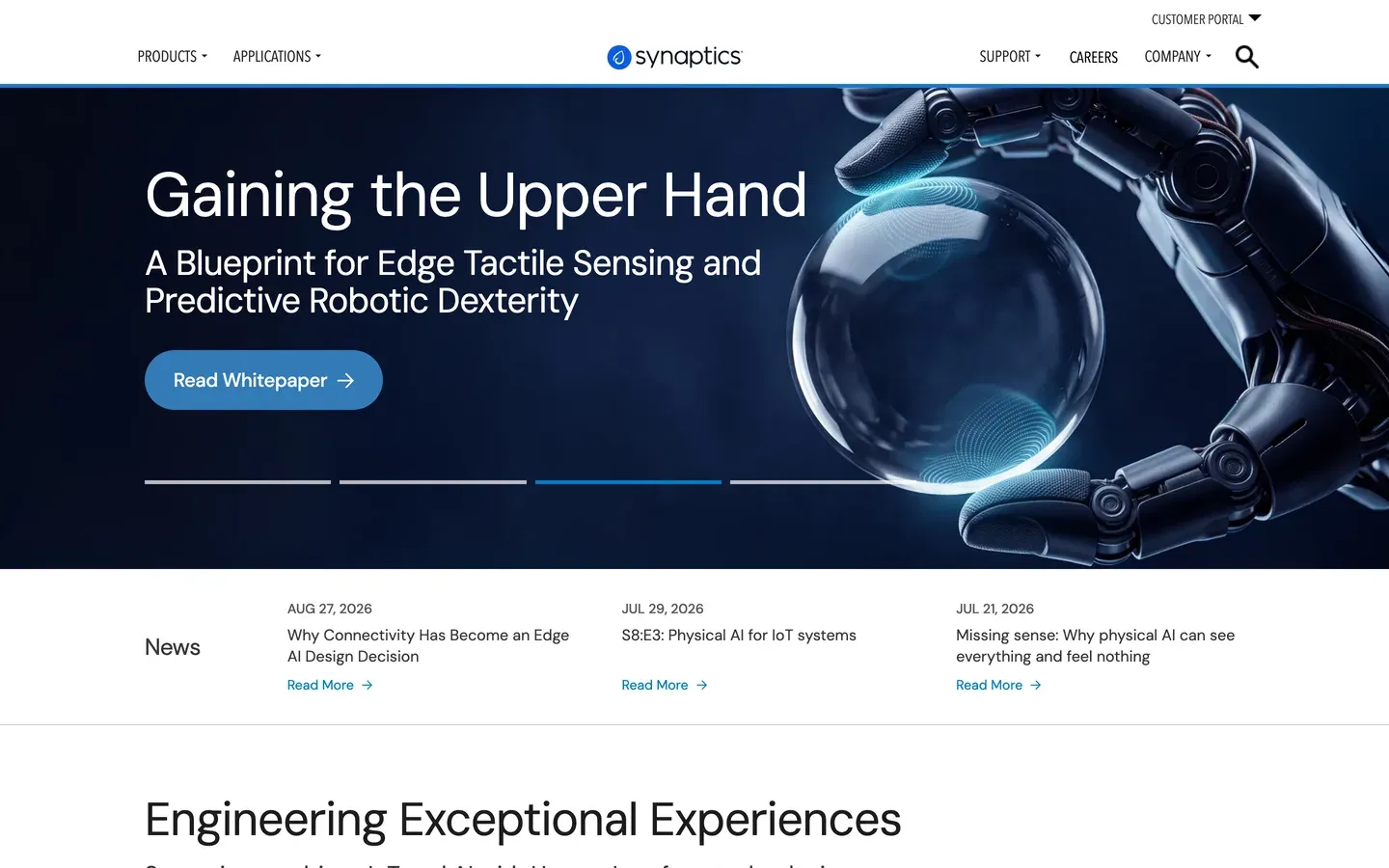
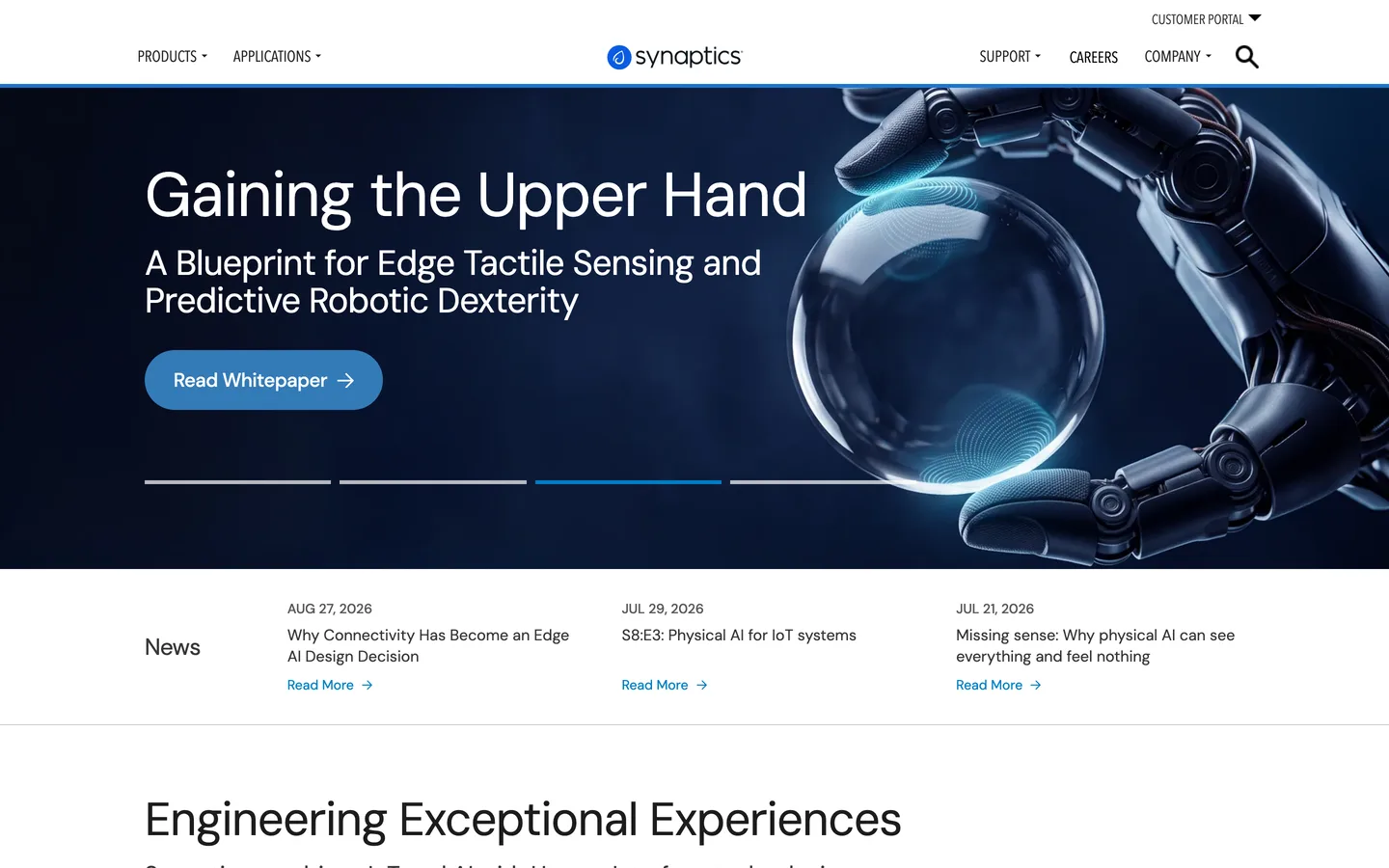
1. Synaptics: semiconductor corporate site
Synaptics, headquartered in San Jose, California, makes wireless connectivity chips, embedded AI processors and the touch, display and biometric technologies that sit between people and their devices. Its site serves engineers comparing parts and journalists looking for news at the same time: a whitepaper carousel up top, a dated news row, and products grouped under Products, Applications, Support, Careers and Company, in English and Simplified Chinese.
The marketing team runs the site on DXPR Builder, with DXPR Theme holding the brand, and publishes product launches, security content and campaign pages without filing an IT ticket. The case study counts 369 pages and twelve editors. Visit synaptics.com or read the Synaptics case study.
2. HackerOne: cybersecurity marketing site
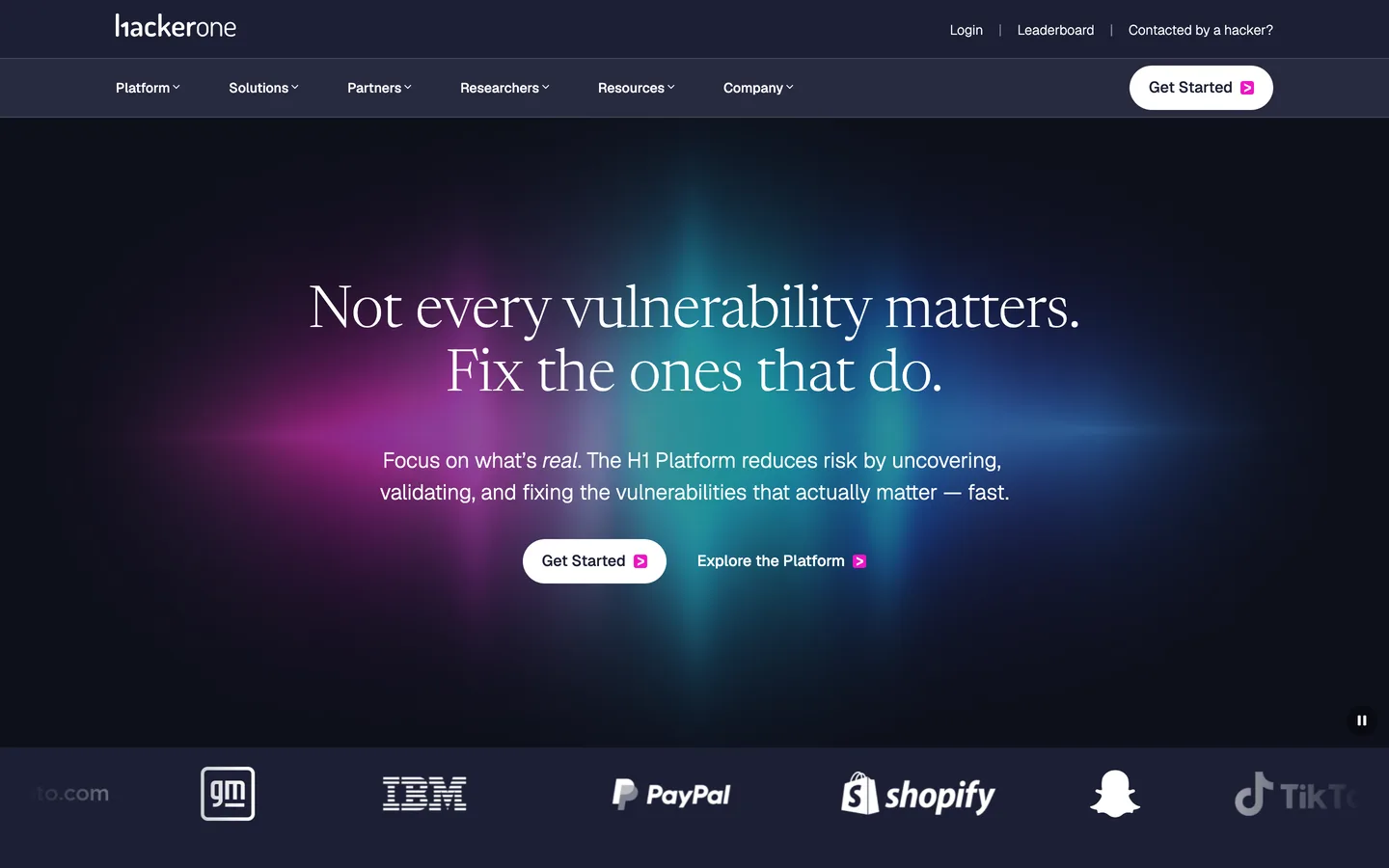
HackerOne says it runs the largest community of security researchers, which it combines with AI to find and fix vulnerabilities. Its marketing site follows a classic security-platform pattern: a dark hero with two calls to action, a logo strip of customers such as GM, IBM, PayPal, Shopify and TikTok, and navigation for Platform, Solutions, Partners, Researchers, Resources and Company, plus a "Contacted by a hacker?" link for the people a bug bounty company most needs to reach.
The HackerOne case study describes how its marketers assemble campaign pages from reusable DXPR Builder sections and preview them before review, for a customer base of more than 1,300 organizations. Visit hackerone.com or read the HackerOne case study.
3. SWARCO: multilingual group site
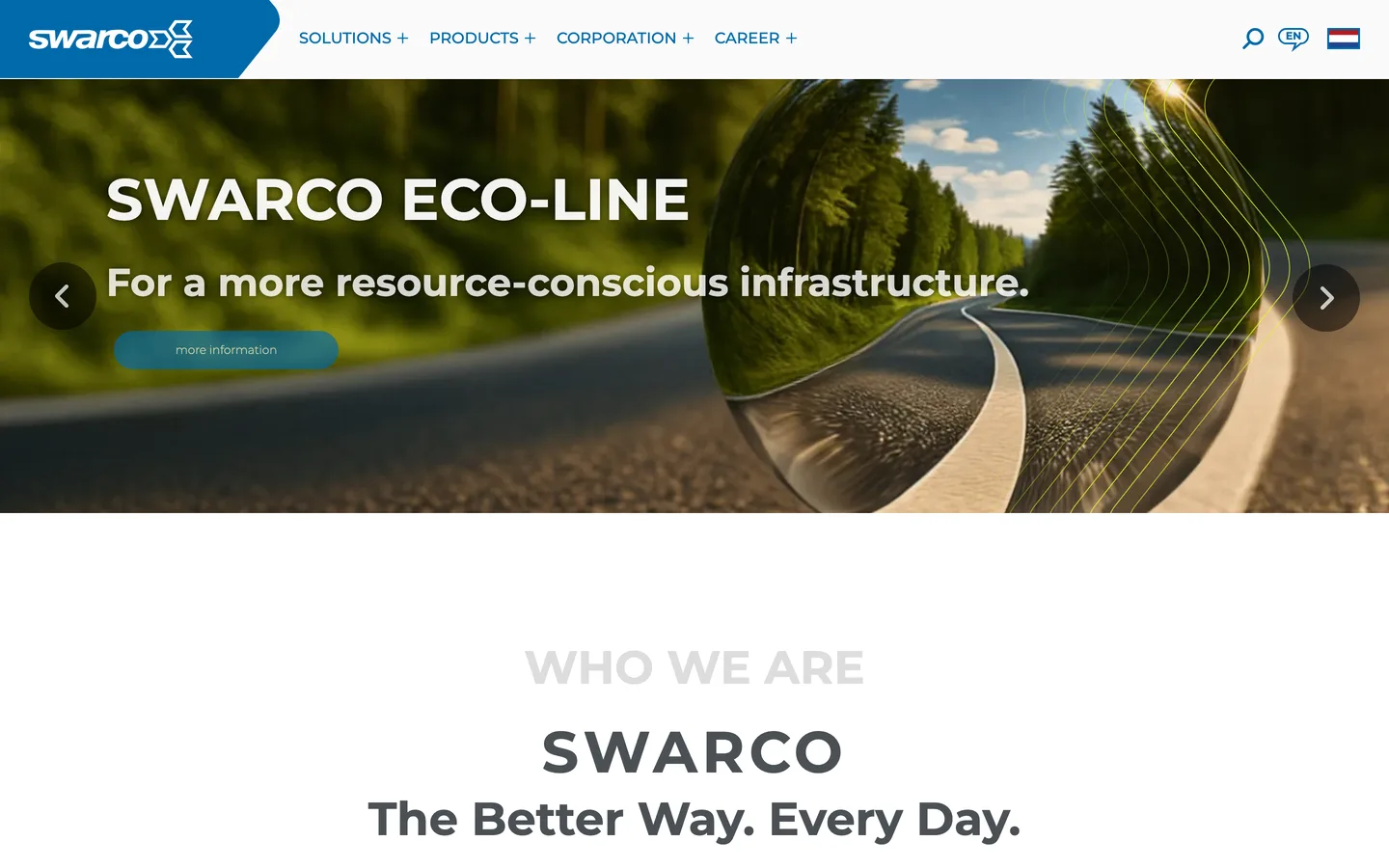
SWARCO is an Austrian group with more than 50 years in mobility management and road safety, from traffic signals to the glass beads in road markings. Its group site publishes twelve language editions, from Czech to Swedish, and sends each visitor to their own language automatically.
DXPR Builder runs across the subsidiary sites on one shared Drupal platform. DXPR Theme keeps the group identity consistent while regional editors publish product pages and news in their own language: 7 brands, 6 countries and 13 editors at the time of the case study. Visit swarco.com or read the SWARCO case study.
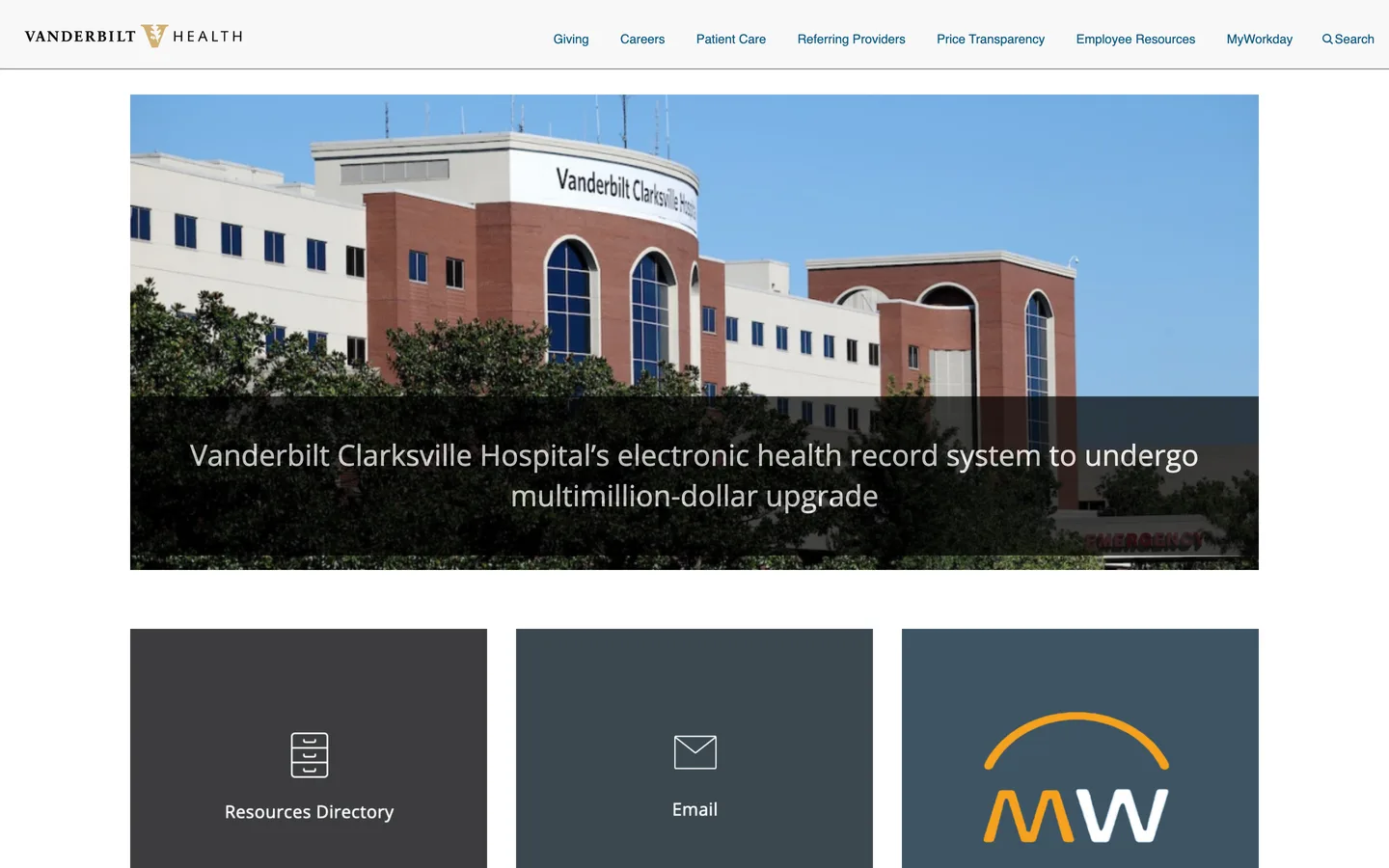
4. Vanderbilt University Medical Center: hospital website
Vanderbilt University Medical Center in Nashville, Tennessee, runs the region's Level I trauma center and a top-ranked children's hospital. Its homepage serves very different audiences from one place: patients, referring providers, job seekers, donors and staff, with price transparency and employee resources one click away.
Five department websites, from internal medicine to dermatology, run DXPR Builder inside VUMC's Drupal estate. DXPR Theme enforces the identity, so clinical faculty and communications staff publish without IT support; one handbook alone holds 306 clinical topics across 26 specialties. Visit vumc.org or read the VUMC case study.
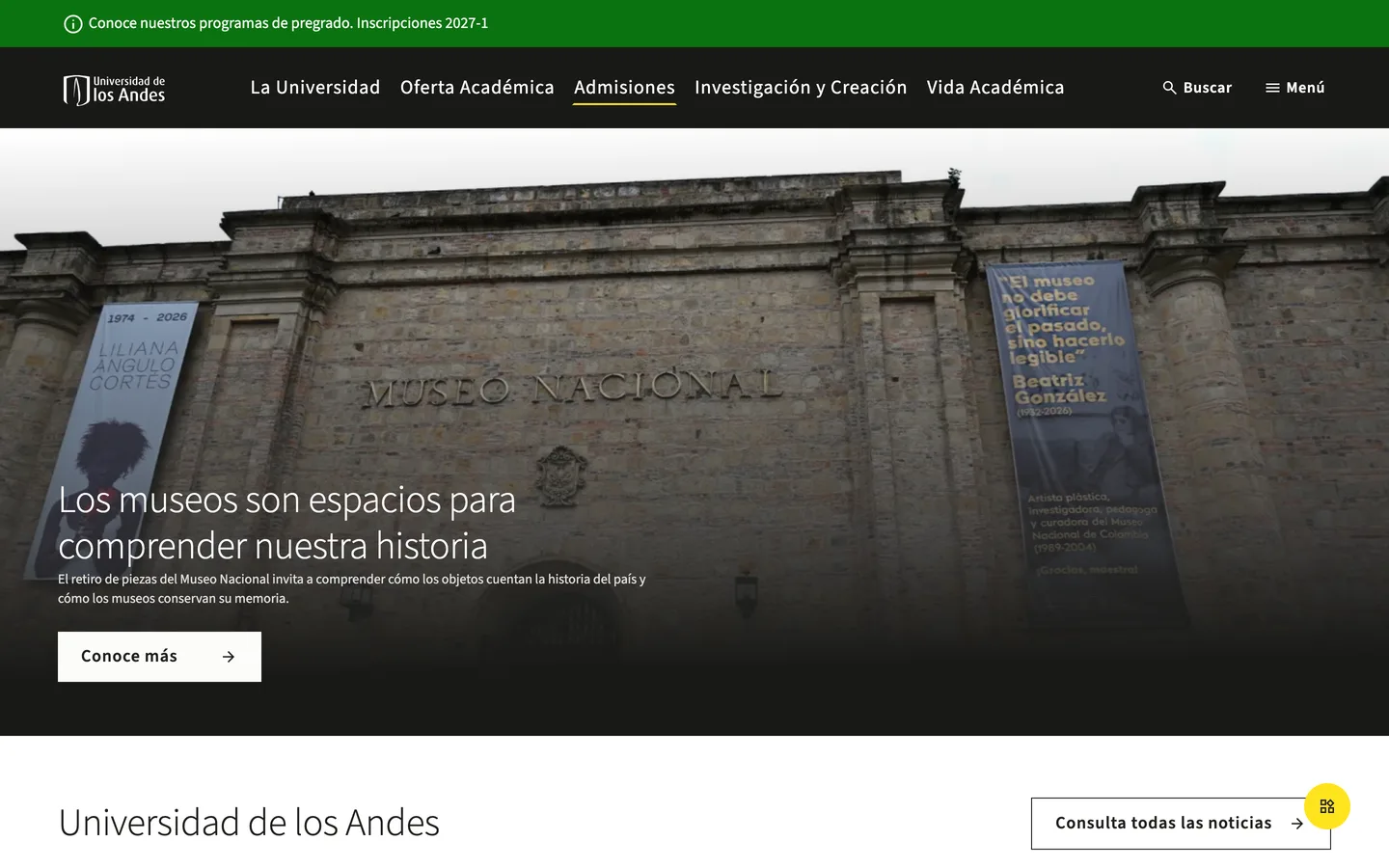
5. Universidad de los Andes: university website
Colombia's Universidad de los Andes describes itself as an autonomous, innovative university built on critical and ethical education. Its Spanish-language site is organized around the student journey: an admissions bar for the next intake, a news hero, and clear paths to the academic offer, admissions, research and campus life.
The engineering faculty websites run DXPR Builder, so department coordinators publish program pages, research showcases and faculty profiles within the university's brand framework, across three or more faculty sites. Visit uniandes.edu.co or read the Universidad de los Andes case study.
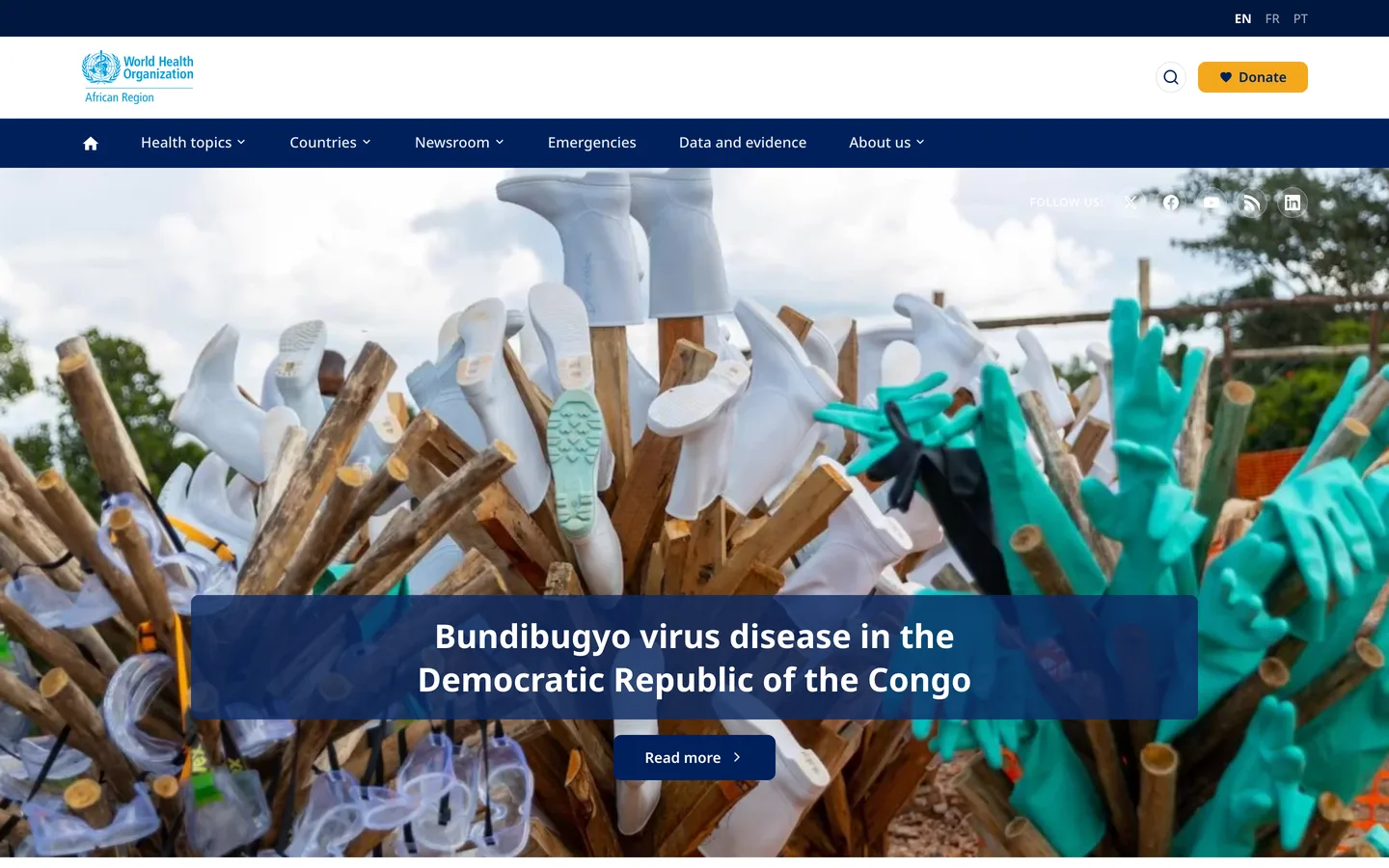
6. WHO Regional Office for Africa: public health portal
The World Health Organization's Regional Office for Africa serves 47 Member States, and its portal is built for speed in an emergency: the hero carries the current outbreak story, every country has its own page, and the site publishes in English, French and Portuguese.
DXPR Builder brings visual page production into the site: saved layouts give the next bulletin its structure, while Drupal's permissions keep review with the health specialists. Visit afro.who.int or read the WHO Africa case study.
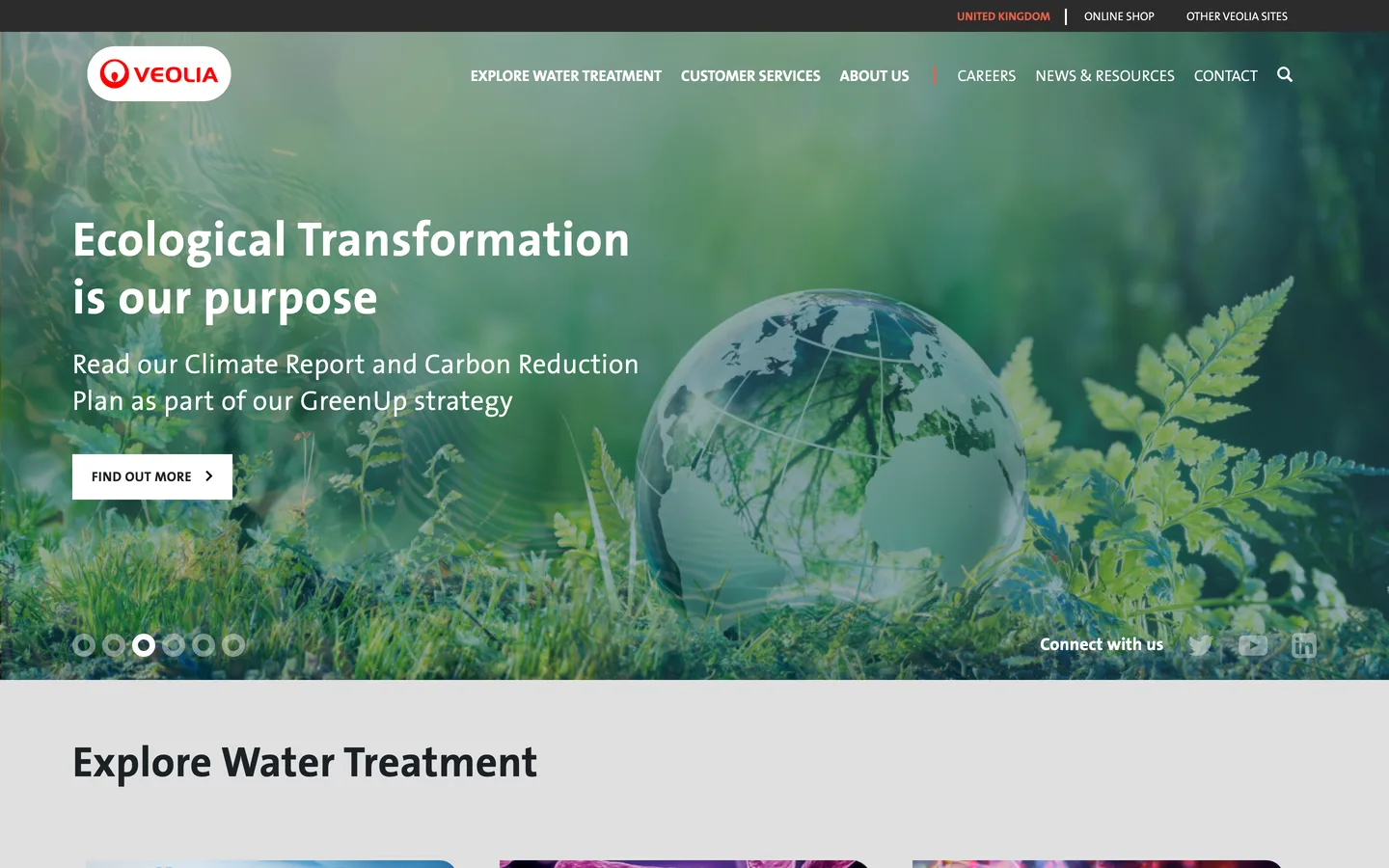
7. Veolia Water Technologies UK: B2B product site with a shop
Veolia Water Technologies' UK team draws on more than 350 water treatment technologies, and its country site sells them to engineers: a rotating hero, an "Explore Water Treatment" section, customer services, news and resources, and an online shop.
With DXPR the team brings a buyer's water problem, the proposed solution and the useful resources together on one page, and adapts that structure to other sectors without commissioning a new layout each time. Visit veoliawatertechnologies.co.uk or read the Veolia case study.
8. Vicat Group: corporate and investor site
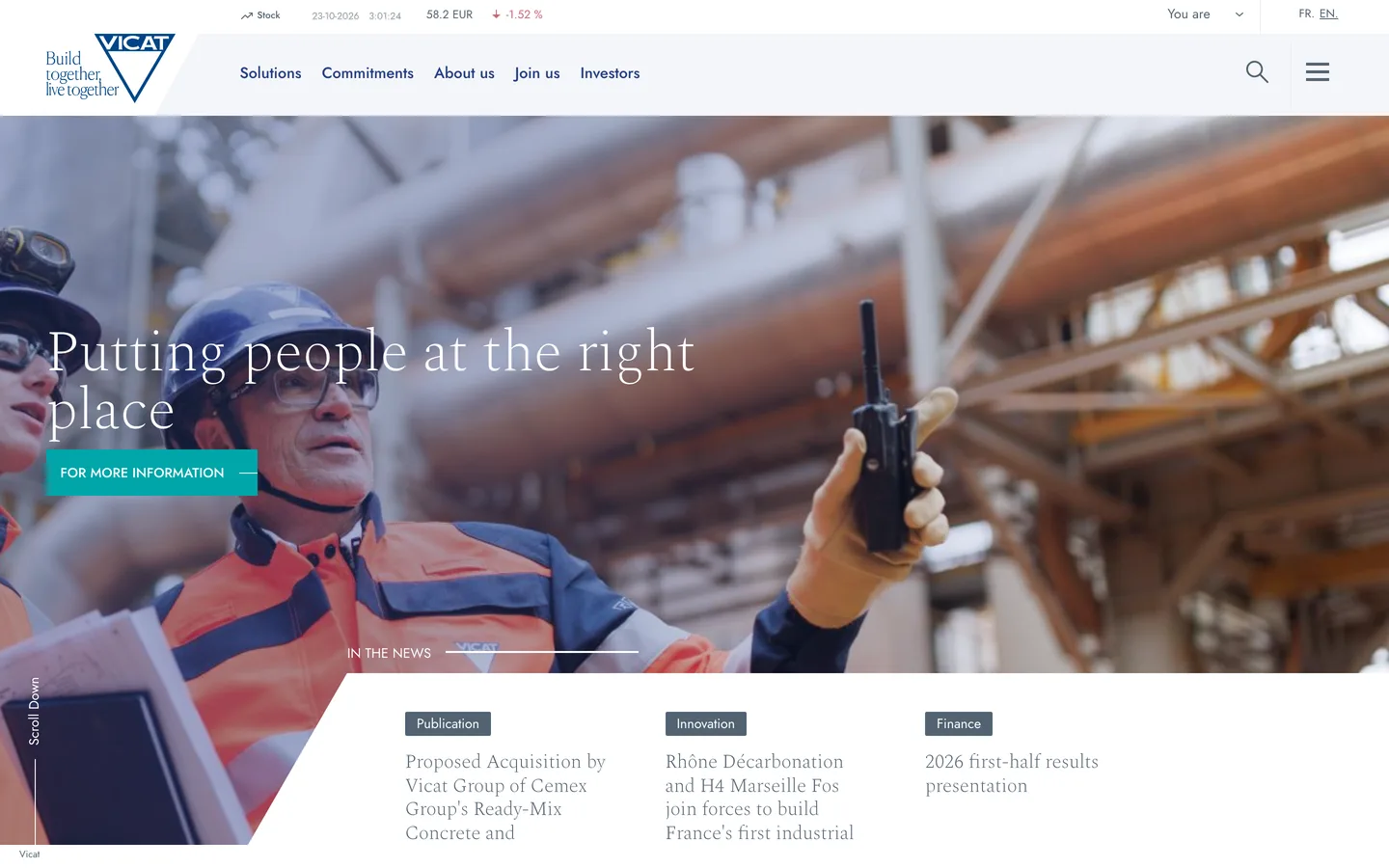
Vicat is a French, family-run cement manufacturer founded more than 165 years ago, with an international footprint. Its corporate site, in French and English, speaks to investors and customers at once: a live share price in the header, a "You are" audience selector and news tagged by publication, innovation and finance.
The DXPR story at Vicat is its three product-brand sites, Solutions Vicat, Décoffrage and Chape Vicat, which share one Drupal platform with DXPR Builder and DXPR Theme so each product team publishes technical content and service pages on its own. Visit vicat.com or read the Vicat case study.
9. Arteche: industrial manufacturer site
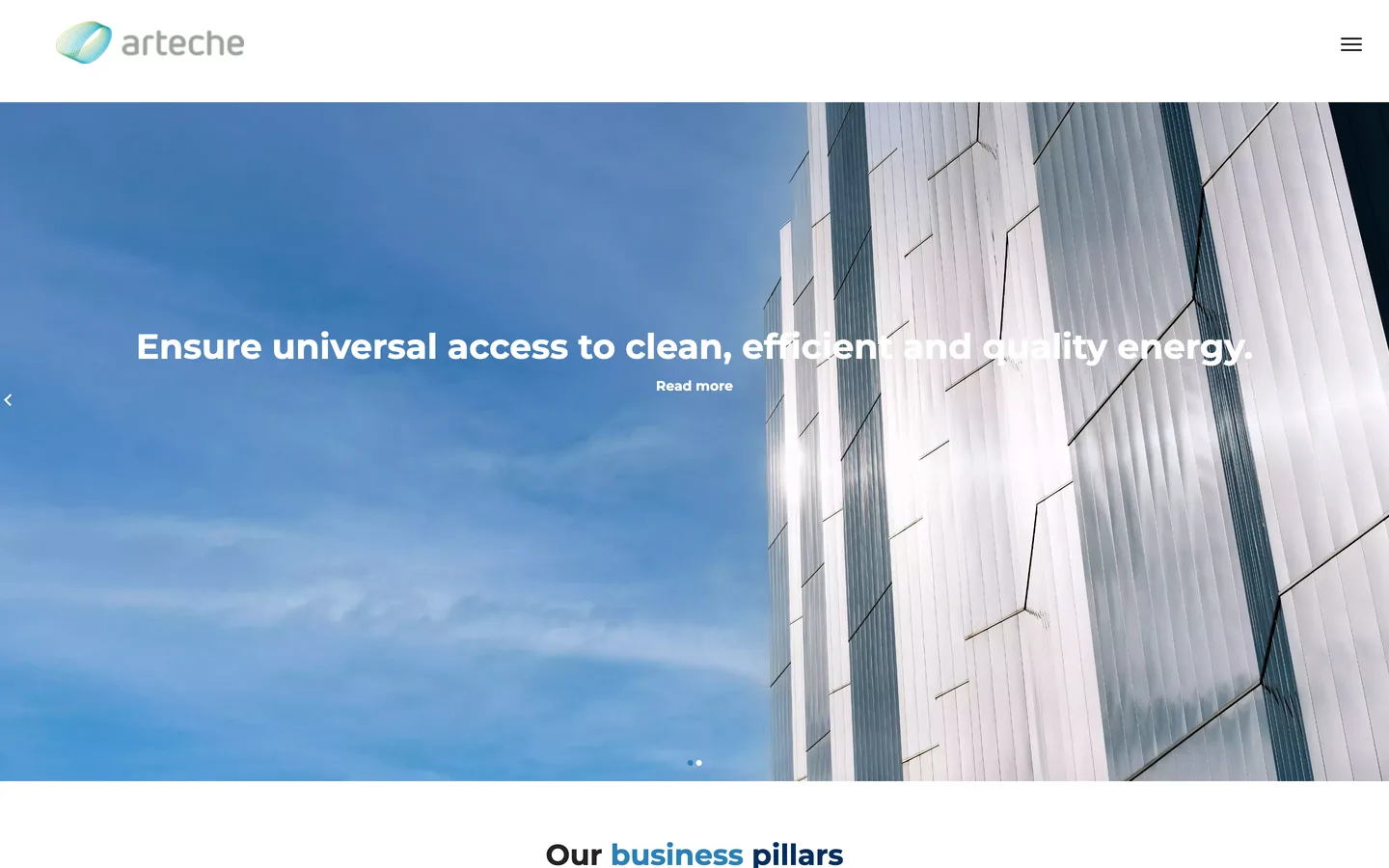
The Arteche Group has 75 years in the electric power industry and a catalog of instrument transformers, relays, protection equipment and substation automation, installed in more than 150 countries. The site is deliberately quiet, with a logo, a menu and a two-slide mission hero, and runs in German, English, Spanish, French and Portuguese.
Every page of the five language editions is built visually with DXPR Builder under one brand, with the same page structure carried across the editions. Visit arteche.com or read the Arteche case study.
10. FONPLATA: development bank site
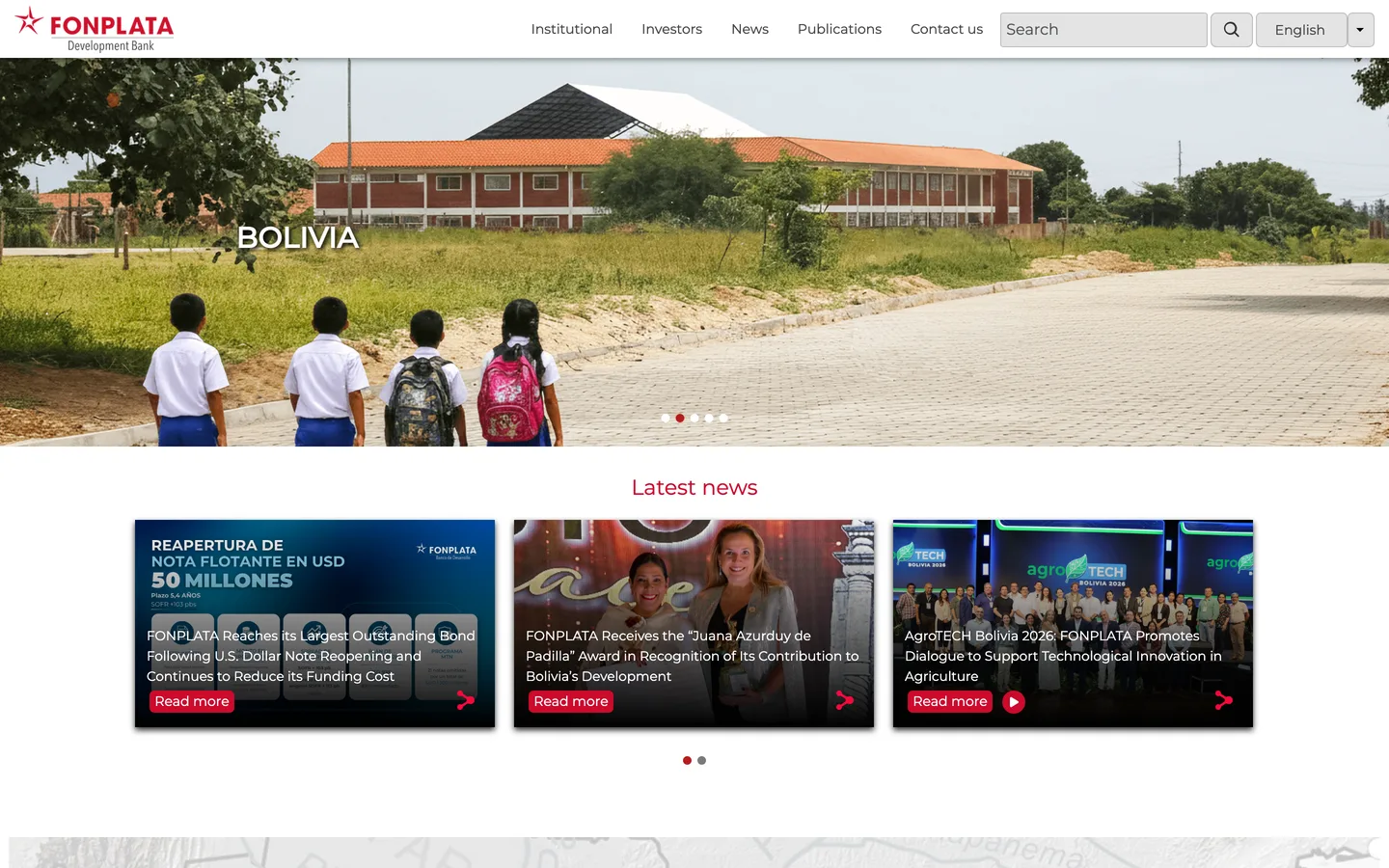
FONPLATA is the development bank of the River Plate Basin, formed by Argentina, Bolivia, Brazil, Paraguay and Uruguay and headquartered in Santa Cruz de la Sierra. Its site speaks Spanish, English and Brazilian Portuguese, with a country carousel, a latest-news row and a page for every country it works in.
The communications team publishes institutional news, investor information and country operations from one Drupal platform built with DXPR Builder and DXPR Theme, assembling country heroes, news cards and listing pages visually. Visit fonplata.org or read the FONPLATA case study.
11. Nucleus Financial: financial services site
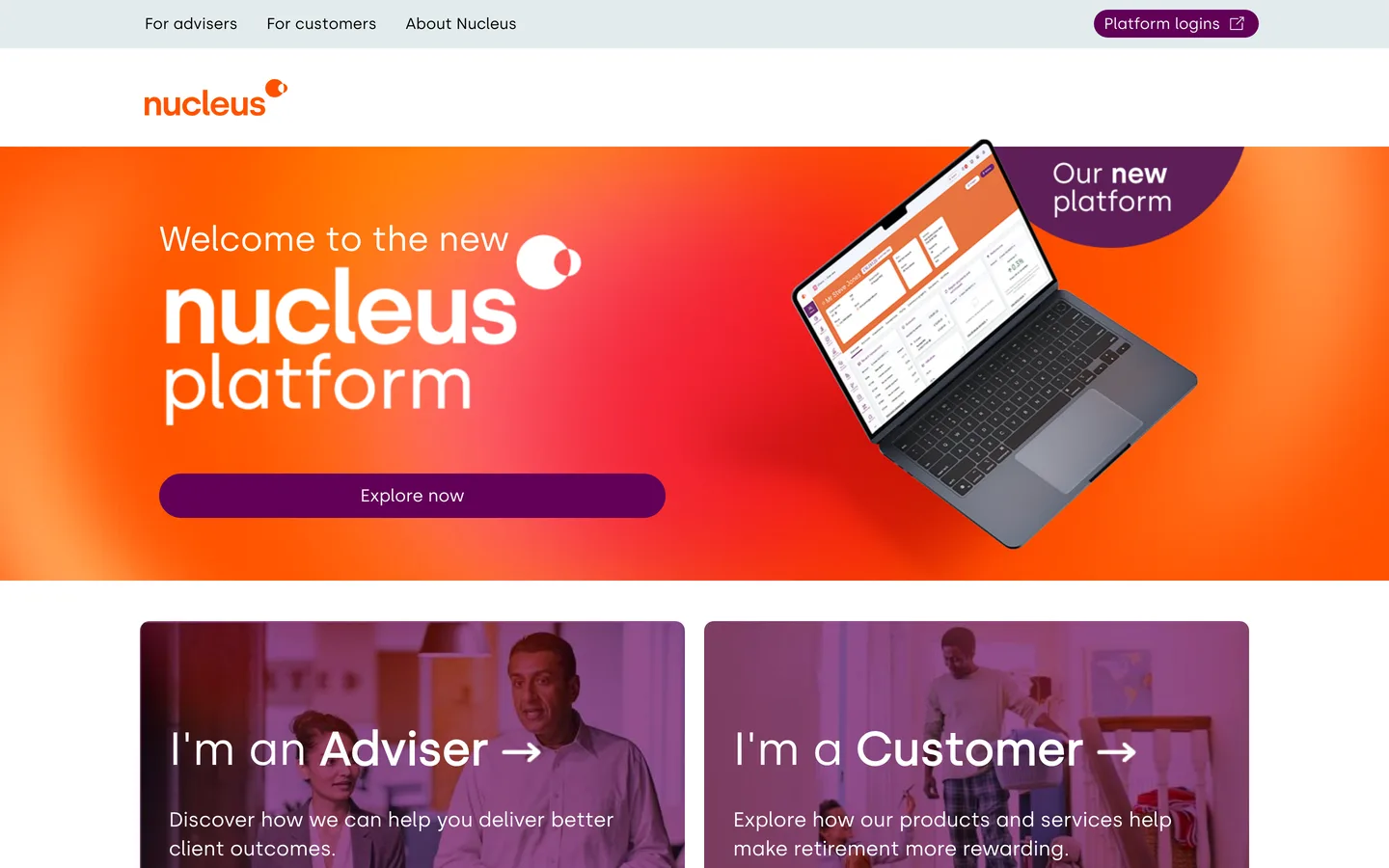
Nucleus describes itself as one of the UK's leading independent groups for investment platforms, products and wealthtech software, and counts more than 250,000 customers and about 5,200 advice firms. The site splits by audience the moment you arrive: a top bar for advisers and customers, a hero for the new Nucleus platform, and two large entry cards, "I'm an Adviser" and "I'm a Customer".
The Edinburgh marketing team publishes adviser and customer content with DXPR Builder, preparing and reviewing pages on a staging site before they go live. Visit nucleusfinancial.com or read the Nucleus case study.
12. Los Angeles Bureau of Contract Administration: city services site
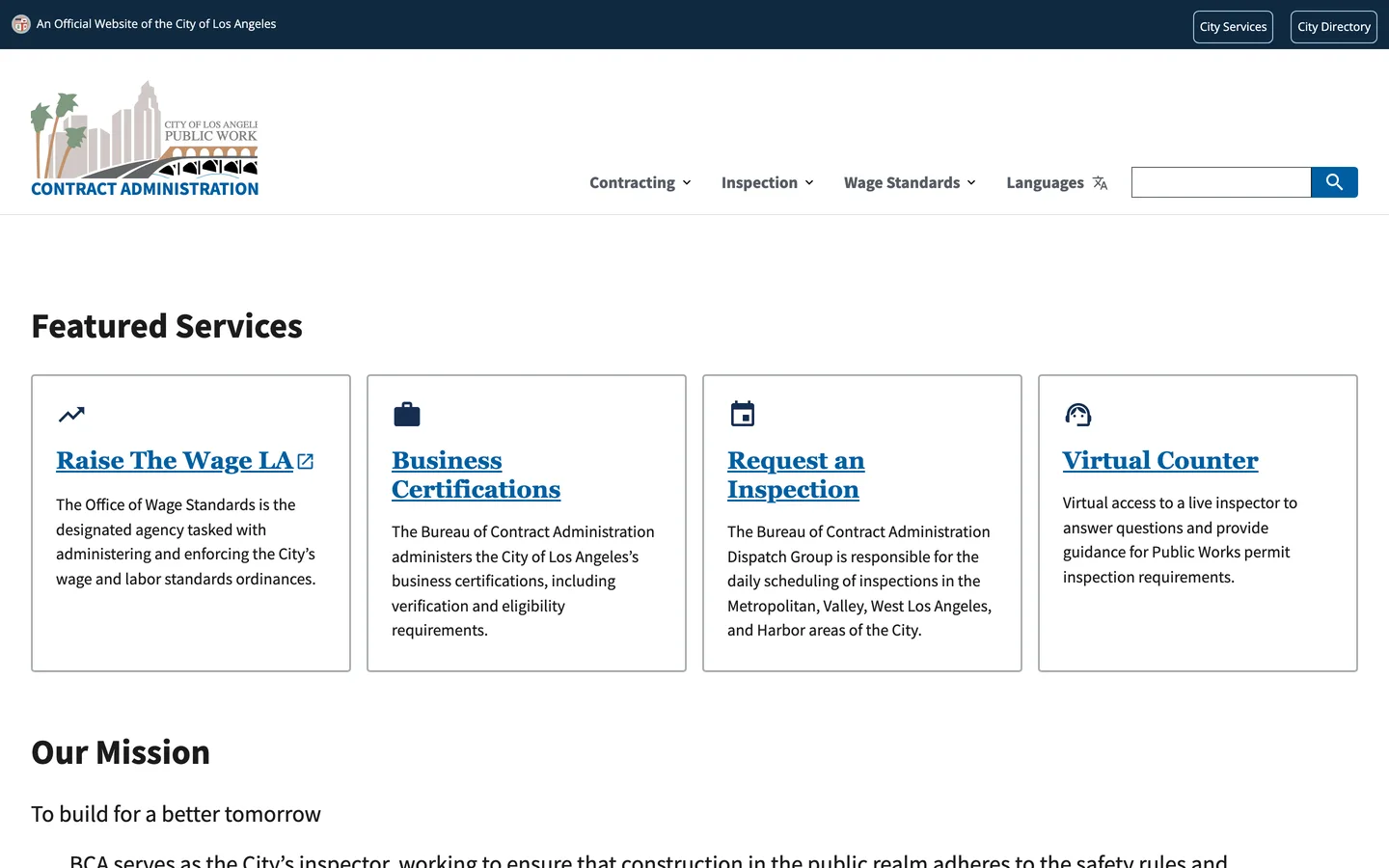
The Bureau of Contract Administration is the City of Los Angeles's inspector for construction in the public realm, and it administers the city's business certifications. The site works like a service desk: the official city banner, a translation menu, navigation for contracting, inspection and wage standards, and four featured services: Raise The Wage LA, business certifications, inspection requests and a Virtual Counter.
The case study describes how the service owners maintain the certification, inspection and wage-information pages themselves, grouping requirements, documents and application links on a repeatable service-page layout. Visit bca.lacity.gov or read the City of Los Angeles case study.
13. City of Boston: city portal
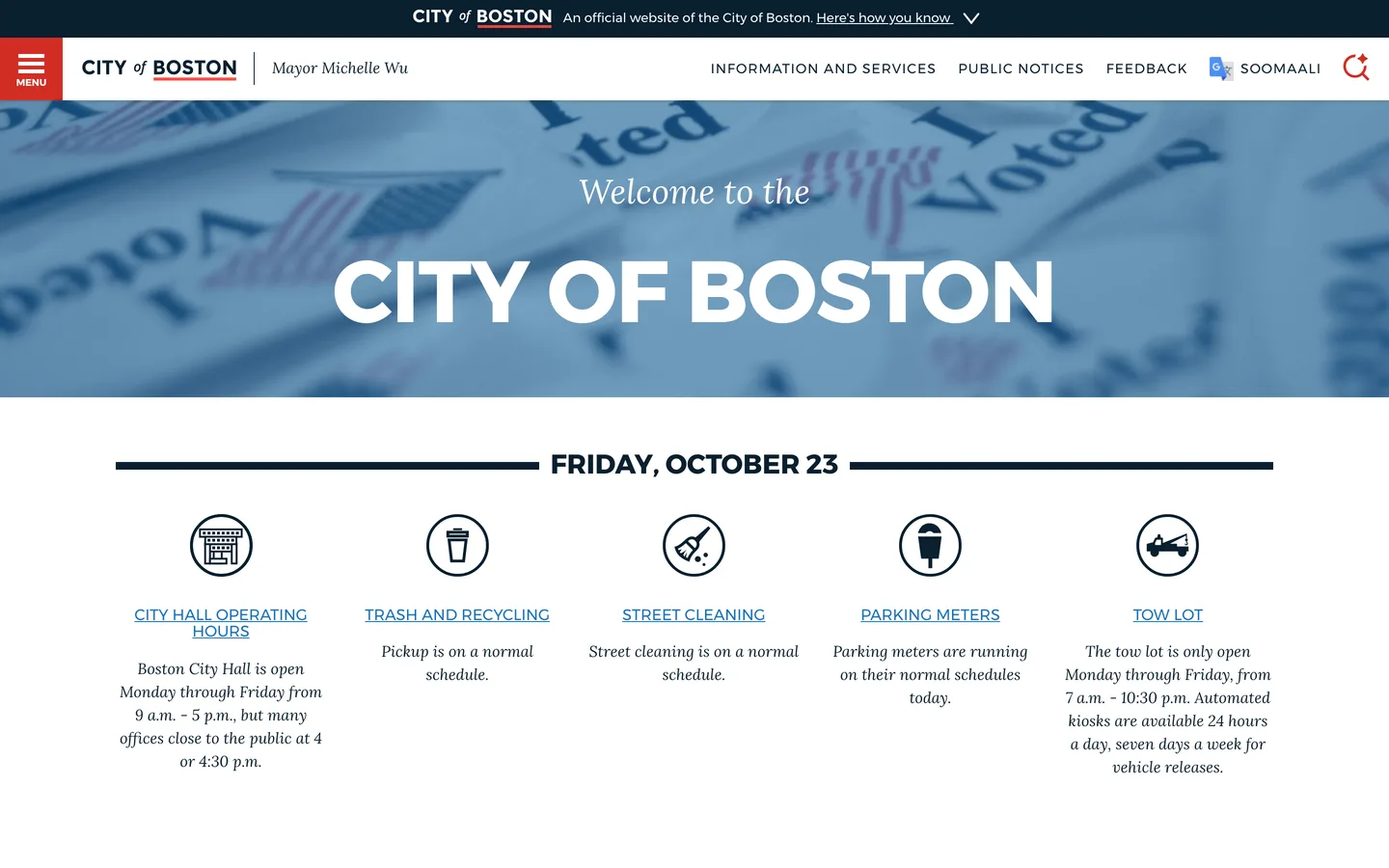
Boston.gov puts services first: a plain welcome hero, information and services, public notices, and a daily status strip for City Hall hours, trash and recycling, street cleaning, parking meters and the tow lot. It publishes in nine languages, from Spanish and Haitian Creole to Vietnamese and Simplified Chinese.
Not a DXPR site, but a clear answer to anyone who asks whether Drupal can run a city. Visit boston.gov.
14. State of Georgia: state portal
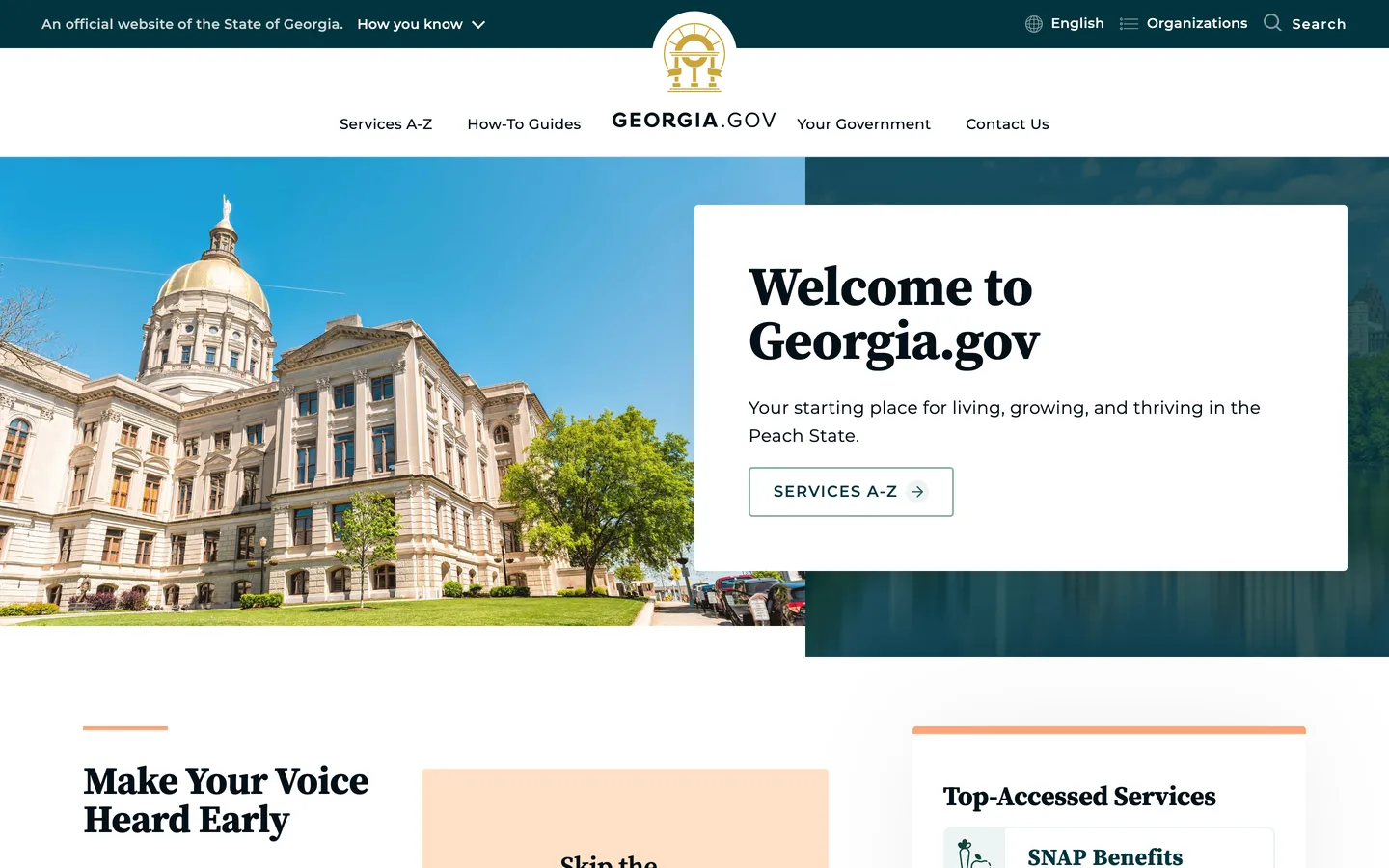
Georgia.gov calls itself the starting place for living, growing and thriving in the Peach State. The portal leads with a services A to Z, how-to guides, an organizations directory and the most-used services, SNAP benefits first.
State portals show where Drupal's structured content pays off: many agencies, one search and one design. Visit georgia.gov.
15. European Commission: multilingual government site
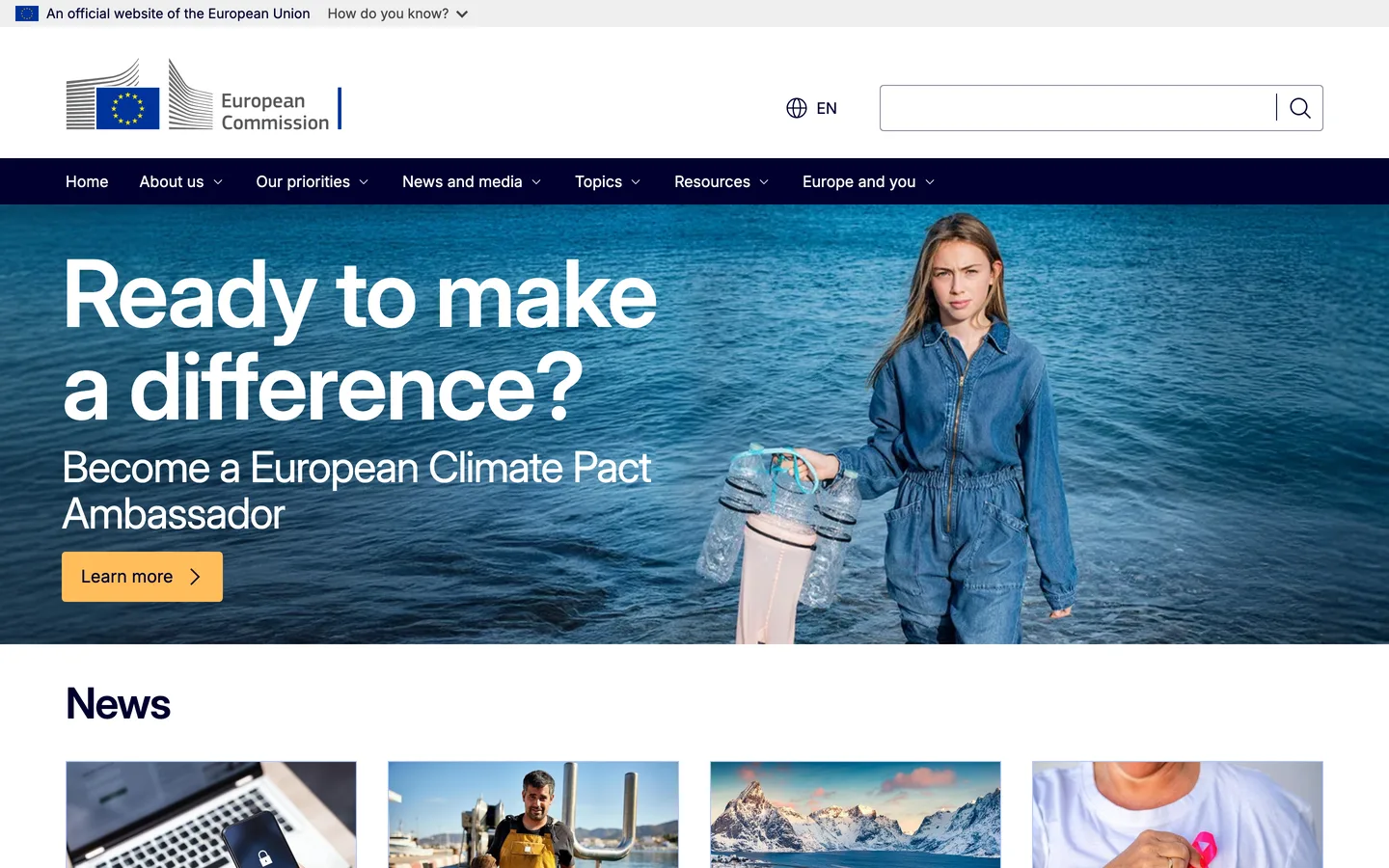
The European Commission's site is Drupal at the scale of a continent: 24 language editions, from Bulgarian to Swedish, a common header shared with other EU sites, and navigation for priorities, news, topics and resources. Visitors choose their language first.
If your question is whether Drupal handles multilingual publishing, this is the reference site. Visit commission.europa.eu.
16. UNICEF: global nonprofit site
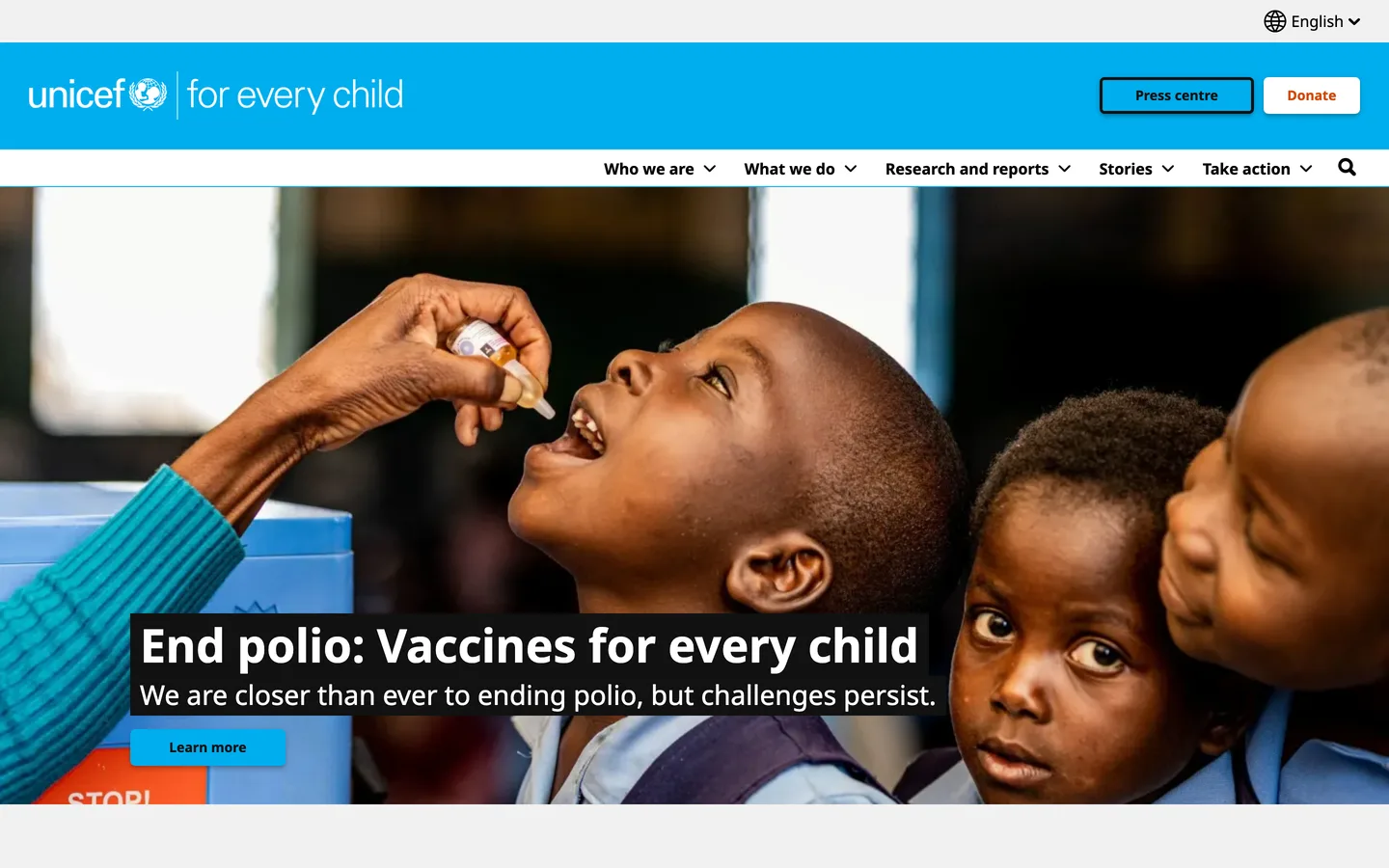
UNICEF works in the world's toughest places to reach the most disadvantaged children. Its global site publishes in English, French, Spanish, Arabic and Chinese, with a press center, a donate button that is always within reach and a full-width story hero that changes with the news.
Five languages in three scripts, including right-to-left Arabic, on one platform. Visit unicef.org.
What these Drupal websites have in common
- Structured content, not loose pages. Programs, products, publications, events and people are content types with fields, and the listings and filters are built on that content. That is why these sites grow to thousands of pages and keep their shape.
- Many languages, one site. Ten of the sixteen publish in two or more languages from one Drupal installation, with every translation connected to its source.
- Editorial teams in control. Permissions, moderation and revisions are part of Drupal core, so a department or a regional team publishes within rules the organization sets once.
- Accessibility and security requirements. Governments, universities and health organizations choose Drupal for its accessibility track record and its security process, and many of the sites here are exactly that kind of organization.
- Visual editing on top. The DXPR customers above add DXPR Builder, so marketers and communications staff build pages without developers, and DXPR Theme keeps the brand consistent across every page and language.
Questions about Drupal websites
Build your next Drupal page with AI.
Start from a brief, refine the result in the visual editor and publish through your own review process. Try it in the live demo, no installation needed.
Sources
- Drupal.org: City of Boston case study
- Drupal.org: State of Georgia case study
- European Commission: Development platforms, tools and IT standards
- Drupal.org: drupal 12.0.0-beta2 release notes
- Drupal.org: Licensing
- Drupal.org: Security advisory process and permissions policy
- git.drupalcode.org: Drupal core 11.4.0, content_moderation.info.yml
- Drupal.org: Upgrading from Drupal 6 or 7, Overview